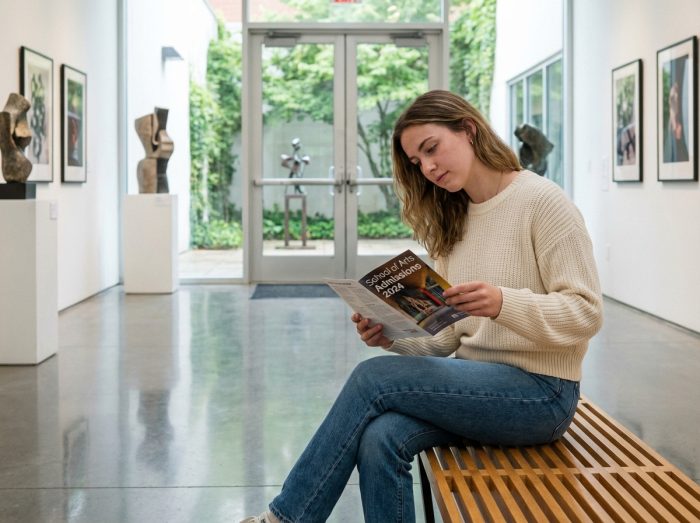
Obtaining a degree from a recognized art school does not necessarily guarantee a dazzling career. Some institutions, cloaked in official prestige, see their students struggle to land their first contract, while lesser-known schools forge strong ties with the professional world and adapt their curricula to the sector’s developments. The name on the facade is not everything: it is the admission criteria, the variety of teachings, and the quality of partnerships that weigh heavily in the balance when choosing one’s path.
Why the recognition of an art school changes everything for your future
Choosing a recognized art school is not just a line on a CV. Institutions under the Ministry of Culture or Higher Education award well-structured degrees: DNSEP, DN MADE, or DSAA, all validated by the RNCP thanks to the oversight of France Compétences. Such recognition lends credibility, both in France and abroad, and opens doors that many private schools envy.
Joining this structure also allows you to apply for CROUS scholarships, accumulate ECTS credits for your studies, and participate in European exchanges, for example through Erasmus. In practice, employers and galleries quickly recognize this academic seriousness: graduates from the national art schools in Paris, Lyon, Bordeaux, Montpellier, Marseille, Lille, Nantes, or Provence inspire confidence. The recognized degree allows access to employment as well as the pursuit of a bachelor’s or master’s degree, depending on one’s choices.
For those who want to delve into the details: understand everything about the ESMA school, a recognized art school provides valuable insights into the institutional fabric, how Parcoursup impacts the journey, and the importance of state validation. These details can be crucial for the future path, access to workshops, or the legitimacy of the degree during a competition or public application.
What criteria to analyze to distinguish the institutions truly suited to your project
To find an art school that truly aligns with your ambitions, it is imperative to review several fundamental criteria.
Here are the points to study carefully to differentiate between a simple logo and a real training experience:
- The options offered: graphic design, applied arts, visual creation, art history. Each school emphasizes certain areas and directs your practice, your taste for experimentation, or your professional orientation according to its own focus.
- The status of the school: in the public sector, teachers are often experienced, workshops are better equipped, supervision is structured, and the network of grandes écoles is accessible. These are also the institutions that multiply connections with professionals or offer residencies to enrich the curriculum.
- Daily support: during open house days, take the time to ask those who know the school from the inside. Students willingly share the reality of the teachings, the freedom given to creative expression, the general atmosphere of the workshops, and the effectiveness in preparing for the real profession of artist.
- The quality and diversity of career opportunities: take the time to study the facts, not the slogans. Where do graduates go? What are the real prospects, the richness of projects, the access to individualized paths?
The right choice is the one that aligns your project, the educational richness of the school, and its commitment to supporting your concrete artistic evolution.
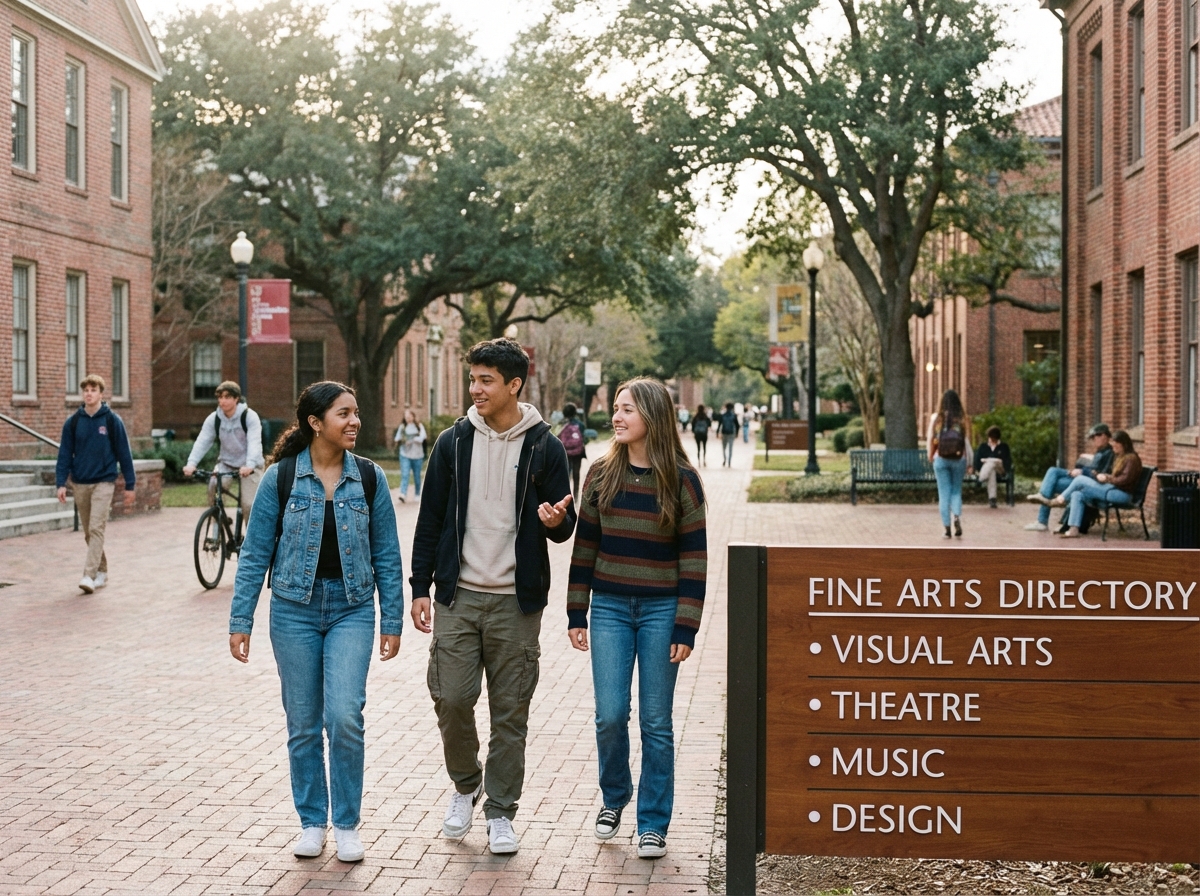
Questions to ask and pitfalls to avoid before committing
Before rushing in, confront your desires for an art school with the reality of the artistic options offered. Beware of enticing titles that mask a lack of specialization or a disconnect from the current market. Inquire about the content of the learning, the balance between practice and theory, the quality of the equipment provided, the opportunity to showcase one’s work, or to make real contact with practicing artists or designers.
Here are the classic pitfalls to identify before any commitment:
- Entrance exams: depending on the schools, you will be judged on a portfolio, practical tests, or a discussion about your motivation. Entry into preparatory classes varies: some programs emphasize the originality of the individual approach, while others require well-established technical skills.
- Feedback from students: their experience is direct and valuable. Do not hesitate to ask what they think about the support, the openness of the curricula, the systems for continuing into a bachelor’s, master’s, or integrating into the artistic life without delay.
- Transparency of institutions: many structures rely on a massive influx of students without providing support. Check the actual recognition of the degree, clarity on costs, and effective access to CROUS scholarships.
A dynamic environment, concrete support, and guidance that aligns with the realities of the artist’s profession: this is what underpins your future, far more than a name etched on a pediment. Here, there are no shortcuts or magic formulas, but solid foundations for building your path in the artistic world.