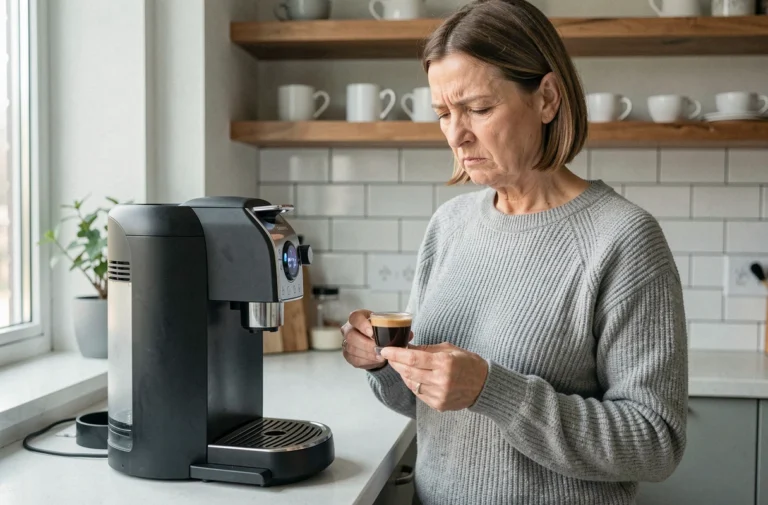
94%: this is the proportion of elderly French people who wish to continue living at home, away from specialized institutions. However, the journey to achieve this often resembles a maze where financial assistance and suitable solutions are hidden behind cumbersome procedures and obscure acronyms.
Personalized support progresses slowly while the number of seniors increases rapidly. Yet, professions and systems exist to meet all levels of autonomy, from simple assistance to permanent support.
The challenges of staying at home: understanding the daily needs of seniors
Staying at home is the heartfelt choice for an overwhelming majority of elderly people. This desire is based on maintaining familiar surroundings, autonomy, and social connections. However, daily life serves as a reminder of the diverse needs that arise over time:
- adapting the home to make it accessible
- finding reliable help for home maintenance
- receiving assistance for hygiene or dressing
- being accompanied during medical consultations
Dependence does not set in suddenly; it creeps in, making each step more difficult to take without support.
In this context, personalized support takes on significant importance. Qualified professionals, relatives, neighbors: everyone contributes to this balance. However, the family, often the driving force, quickly finds itself confronted with the accumulation of systems and the complexity of procedures. Mutual aid exists, but it is not always enough to compensate for the lack of resources or information.
To identify the appropriate level of support, the AGGIR grid serves as an evaluation tool and opens access to the APA, an allowance that contributes to financing services or adaptation work. Other aids, such as MaPrimeAdapt’ or ASPA, target specific situations based on resources and loss of autonomy. To navigate this, it is possible to discover the services of RH Seniors and learn about solutions that truly fit each life path.
- Support provided by trained professionals
- Regular evaluations to adjust support plans
- Mobilization of financial aid according to the situation
What concrete solutions are available to support elderly people at home?
Home services have diversified: today, they adapt flexibly to each situation. Life assistants and home helpers support getting up, personal hygiene, dressing, meal preparation, or shopping, while maintaining a reassuring presence. Choosing to stay at home encourages autonomy and openness to the outside world.
SAAD also manages paperwork, organizes meal deliveries, or accompanies during medical appointments. An occupational therapist can be consulted through the department or retirement fund to assess necessary adaptations: installation of grab bars, modifications to facilitate movement, technical solutions. These changes, sometimes costly, benefit from aids such as the APA, MaPrimeAdapt’, or support from retirement funds, which transform the home into a secure cocoon.
- Assistance with daily tasks
- Delivery of balanced meals at home
- Care provided by nursing professionals
- Tele-assistance systems to alert in case of a fall
Access to these services begins with a medico-social assessment, often carried out by the department or CCAS, to direct towards relevant systems. For certain situations, the disability compensation benefit (PCH) complements the range of support. Retirement funds, on the other hand, intervene upon hospital discharge or for one-time assistance.
Support does not stop at the material aspect; it must also consider the dignity, respect for the rhythm and choices of the elderly person, while keeping their world within reach.
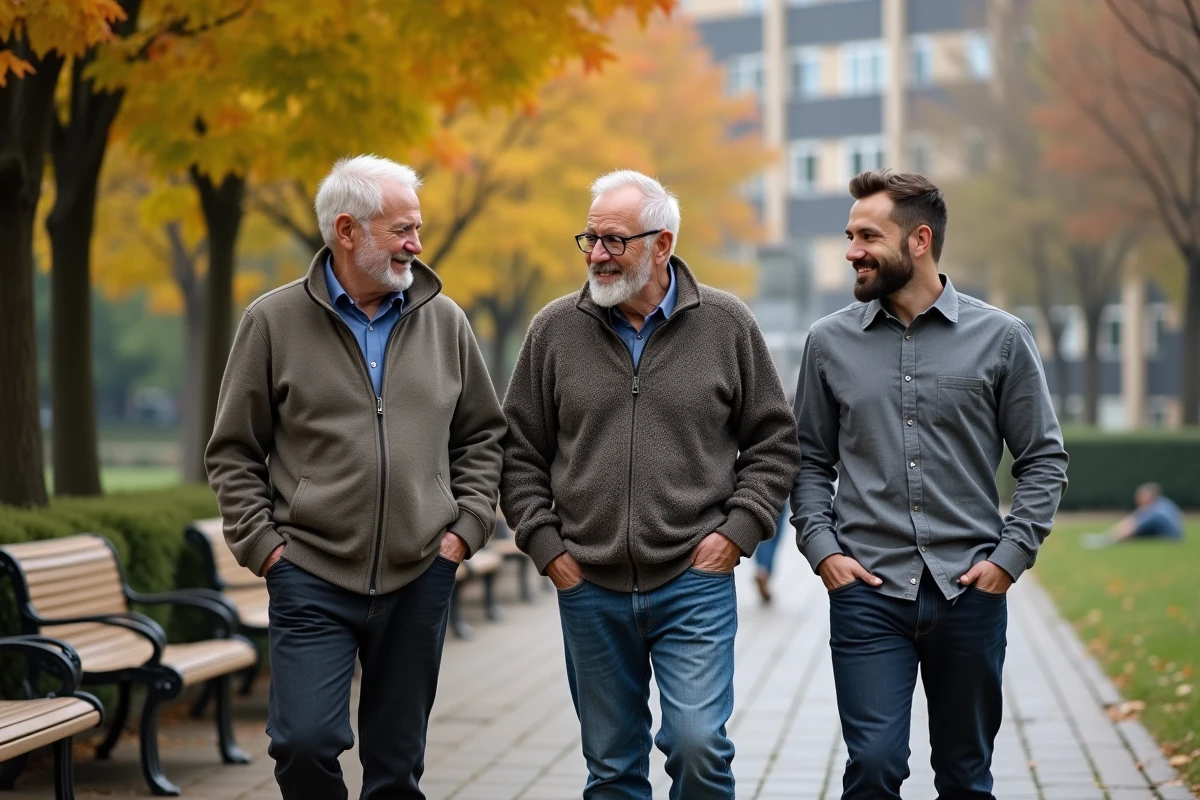
Tailored assistance and professionals at your service for personalized support
The personalized support project has become the central element of attentive care to individual differences. Its construction mobilizes a multidisciplinary team whose expertise ensures coherent follow-up:
- Social worker
- Home caregiver
- Nursing assistant
- Nurse
Each intervenes in connection with the person concerned, their relatives, and possibly the family caregiver. This project, formalized at home or attached to the contract of an establishment, evolves according to needs: daily life, care, participation in social life.
Preserving quality of life remains the priority. The support aims to:
- maintain social relationships
- respect the daily rhythm
- provide access to suitable activities
- offer psychological support
Interventions are based on a fine assessment of the degree of dependence (GIR), the use of the APA to finance human and material assistance, or MaPrimeAdapt’ for adaptation work. Professionals align with the recommendations of the HAS and reference texts, ensuring respectful and regulated support.
- Individualized support project, adjusted over time
- Active coordination among different health, social, and family actors
- Implementation of personalized aids: care, administrative assistance, housing adaptation
This approach places the elderly person at the center of the process, restoring control over their choices and daily life, aligned with their aspirations and capabilities. These are all levers to transform aging into a managed journey, where each day retains its flavor of freedom.