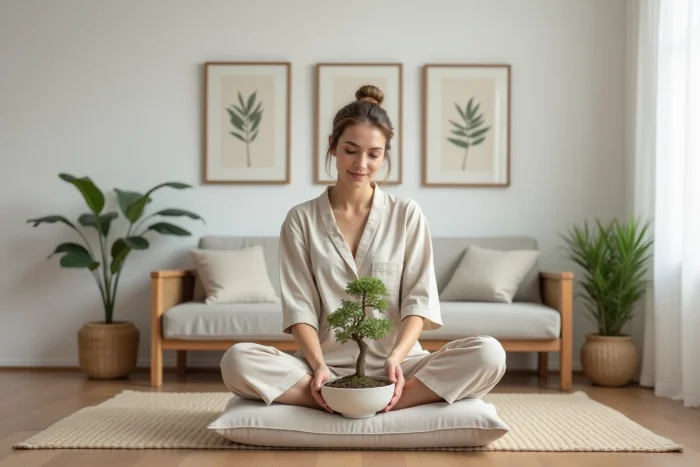
Some spaces gain serenity as superfluous elements are removed. Yet, the accumulation of decorative objects remains a persistent habit in many modern homes. This contradiction between abundance and the search for tranquility shapes current design choices.
Recent studies confirm what many have sensed: the arrangement of furniture, the nature of materials, and the color palette play a direct role in our inner balance. In light of this observation, brands and designers are reinventing their collections to concretely meet these expectations, imagining solutions tailored to each room.
The essential principles of zen and minimalist decoration
The interior decoration with Zen and Déco is based on a subtle balance, inspired by Buddhist philosophy, Japanese aesthetics, and feng shui. These influences share a common ambition: to transform the space into a soothing cocoon, dedicated to relaxation and well-being. The zen style is built with patience, through thoughtful touches, in pursuit of simplicity and harmony.
Here, minimalism does not rhyme with coldness. It invites us to keep only what truly matters. The layout and the flow of energies, two key concepts of feng shui, structure the room and create a peaceful atmosphere. Movement is facilitated by a fluid circulation; order and storage lighten the atmosphere and free the mind. This organization becomes the foundation of a space conducive to meditation and calm.
The zen style effortlessly blends with Scandinavian, Japandi, or even a touch of bohemian. These intersections enrich the decor, combining rigor and warmth. The constant goal remains: to promote overall well-being, reduce stress, improve sleep quality, and support mental balance. To achieve this, certain guidelines must be followed:
- Organize and tidy the space to make it more readable and functional
- Favor natural materials and soft tones
- Choose streamlined objects, appreciated for their utility and the beauty of their simplicity
The unity of the decoration, the precision of each element, gives the zen decoration a global dimension, where nothing is left to chance.
How to choose colors, materials, and natural elements for a soothing atmosphere
Creating a zen atmosphere begins with a careful selection of soothing colors. Opt for neutral, understated tones, without overload: white, beige, gray, taupe, accented with touches of terracotta, sage green, or soft blue. This nature-inspired range lays the groundwork for a serene universe, conducive to rest.
Natural materials take over: light wood, bamboo, rattan, linen, cotton, stone. Each material, chosen with care, brings a unique texture and warmth. Natural textiles, linen cushions, jute rugs, cotton curtains, enhance the authenticity of the whole. In terms of furniture, clean lines avoid any overload, preserving the fluidity of the room.
To strengthen the connection to nature, nothing beats integrating plants. Bonsais, bamboo, ficus, succulents, philodendrons: each infuses life, purifies the air, and invites relaxation. Harmonize the whole with carefully chosen accessories: candles, smooth pebbles, indoor fountains, handmade ceramic vases. Natural light should dominate, complemented by soft and dim lighting.
To nourish the sensory dimension of the decor, favor rare objects that carry meaning: a wooden mobile, a soft textile, a discreet plant fragrance. The alchemy between materials and colors establishes a harmony that makes a difference.
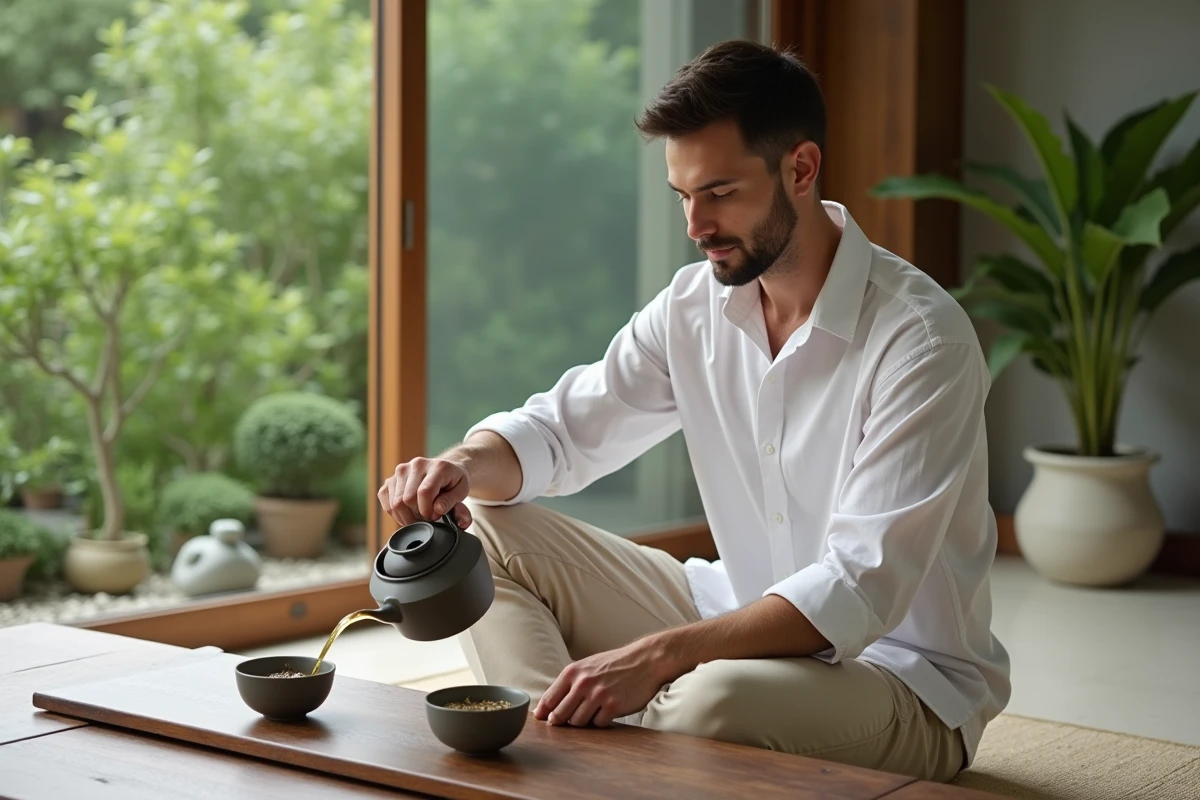
Concrete ideas to transform living room, bedroom, and bathroom into zen spaces
In the living room, the zen atmosphere is materialized through furniture with simple lines, made from natural materials like light wood or rattan. Place a sofa in neutral tones, embellish it with linen cushions and a handmade rug. Keep pathways clear, limit decorative accessories: a handmade ceramic vase, a few polished pebbles on a coffee table, a prominently placed green plant. Daylight should flow, filtered by light curtains or bamboo shades.
In the bedroom, simplicity takes precedence. Install a wooden headboard, choose solid bedding in natural materials, and opt for understated bedside tables. A candle or a book is enough for decoration. For lighting, choose a rice paper lamp or a pendant made of natural fibers. Storage should remain hidden to preserve visual tranquility. A minimalist painting or a plant-inspired mobile completes the ensemble.
In the bathroom, the zen style is reflected in the use of stone, wood, and ceramics. Wicker baskets hold towels, a bamboo or a small green plant finds its place near the sink. Opt for streamlined faucets, a frameless mirror, a hint of essential oil to scent the air, and a small fountain for the sensory dimension. Every detail contributes to making these spaces true havens of well-being.
Ultimately, zen decoration is not just a trend: it is an invitation to slow down, to redefine one’s relationship with space. For those seeking to reinvent their daily lives, it offers a simple promise, that of an interior where body and mind finally breathe in unison.